
Master Seasonal Cooking Through Real Kitchen Experience
Malaysian seasons bring unique ingredients and flavors. We teach you how to work with what's fresh, what's local, and what tastes best right now — not some generic recipe from another climate.

Why Seasonal Matters Here
Durian season hits differently than mango season. Monsoon months change everything about how we source and prepare food. You can't just follow a cookbook — you need to understand timing.
Our courses adapt to what's actually available in Penang markets. When rambutans flood the stalls, we show you three ways to use them. When monsoon limits seafood options, we pivot to what works.
Explore Current ProgramsWhat Makes Our Approach Different
Most cooking courses teach you recipes. We teach you how to think about food based on what's in front of you — and that changes every few months around here.
Market-Based Learning
Classes start at the wet market, not the kitchen. You learn to pick ingredients that are actually at their peak, then we figure out what to cook with them. That's how real cooking works.
Climate Adaptation
Heat and humidity affect everything — from dough rising to sauce consistency. We don't ignore these factors like online tutorials do. You'll understand why certain techniques fail in tropical kitchens and what to do instead.
Local Supply Chains
Knowing which suppliers get the best morning catch or first pick of produce matters. We introduce you to vendors who've been doing this for decades. These connections change your cooking permanently.
Build Practical Skills That Scale
- Source ingredients when they're abundant and cheap, not when you suddenly need them
- Substitute intelligently when your planned ingredient isn't available or is overpriced
- Adjust cooking methods for Penang's specific humidity and temperature ranges
- Store tropical ingredients properly so they don't spoil within hours
- Scale recipes up or down while maintaining proper flavor balance
- Recognize when something's been sitting too long versus genuinely fresh
How The Program Flows
Six months gives you time to experience at least two distinct seasonal shifts. That's crucial — you need to see how your approach changes when different ingredients dominate the market.
Foundation Phase
Learn core techniques that work regardless of season. Knife skills, heat management, flavor layering, proper mise en place. These fundamentals support everything else.
Market Integration
Start building relationships with vendors. Understand pricing patterns, quality indicators, and seasonal availability. This isn't taught — you have to experience it repeatedly.
Adaptive Cooking
Practice creating dishes based on what's actually available, not predetermined menus. This challenges you to think like a professional instead of following recipes blindly.
Independent Projects
Design and execute your own seasonal menu. We provide feedback, but you make the calls. This reveals what you've actually absorbed versus what you've just memorized.
Learn From Working Professionals
Both instructors still work in commercial kitchens. They're not retired chefs teaching theory — they deal with supply problems and seasonal shifts every single week.

Harith Anwar
Head Instructor
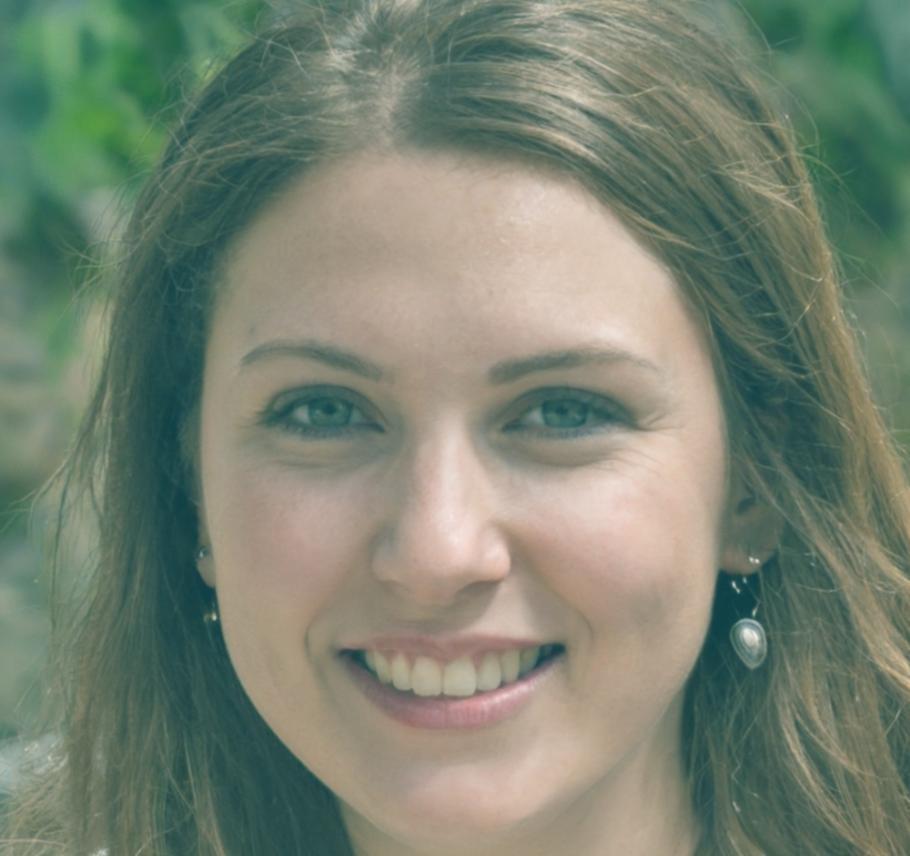
"I've been cooking professionally in Penang for twelve years. Every class, students ask why their version of a dish doesn't work. Usually it's because they're using ingredients from the wrong season or haven't adjusted for climate. Once you understand those variables, everything clicks."
Liyana Suresh
Technique Specialist
"The gap between home cooking and professional standards isn't about expensive equipment. It's about understanding why certain steps matter and others don't. I focus on teaching the logic behind techniques, not just the steps."
What You Actually Get
Hands-On Sessions
Four hours each, small groups only. You cook, we correct. No demos where you just watch someone else work.
Market Visits
Early morning trips to see what's actually fresh. You'll meet suppliers and learn what questions to ask.
Ongoing Access
Alumni group stays active. When you have questions six months later, you can still ask. The learning doesn't stop after graduation.